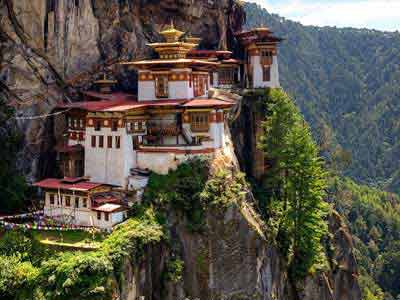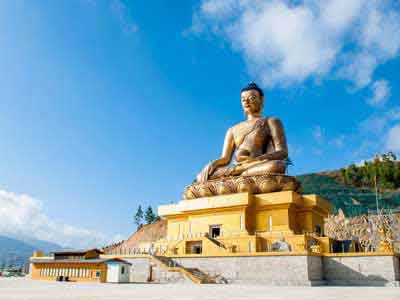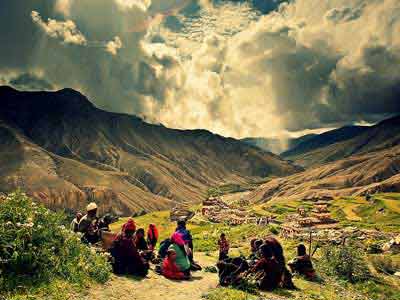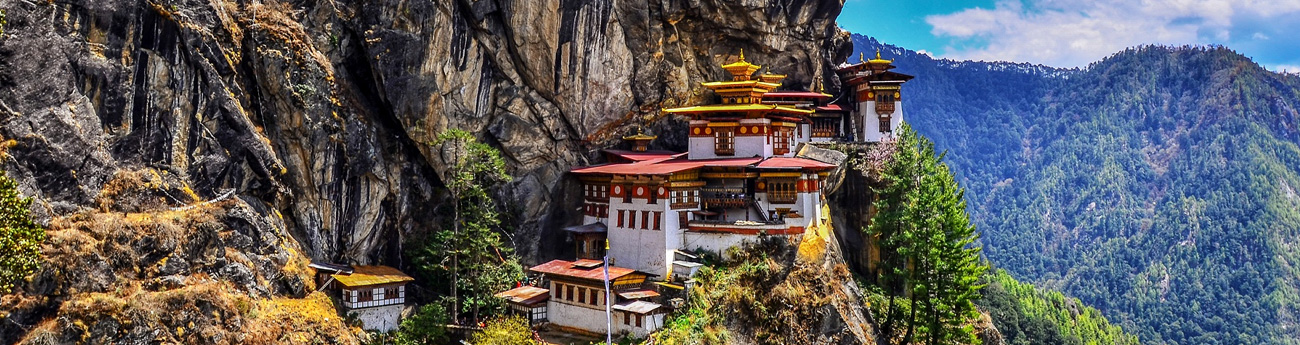
The geographical isolation of Bhutan is the reason why Bhutan remains cut off from the outside civilizations. Also, the country was so strict about preserving its cultural identity that foreigners were prohibited from entering the nation till last few decades of twentieth century. This isolation has also in certain way affected the culture and tradition of the country.
Let’s give you a detailed insight of the people and culture of Bhutan.
People of Bhutan Bhutan holds the rank of 164 in the list of most populated countries. The scarcely populated areas of Bhutan are the severly cold greater Himalayan Region. The two most populated areas of Bhutan are central and western Bhutan which are fertile and see relatively temperate climate. The south west part of the country (near Indian border) is also densely populated.
While in the villages in Bhutan, both men and women work to earn, in bigger towns and cities the man is the sole break earner and the woman is the homemaker. There is a lot of focus on education in Bhutan, and education is free in Government schools till the higher secondary level, after which the students are given full or partial scholarships depending upon their merit. There is little or no gender disparity when it comes to education.
Culture in Bhutan The cultural heritage of Bhutan is extremely flamboyant. Locals here have beautifully preserved their age old traditions even after embracing modernism in their way of living. Dzongkha and Sharchop are main Bhutanese languages. These languages are tightly linked to Tibetan language. Buddhism is the main religion practiced by the locals. While 75% of the population of Bhutan is Buddhist, 23% of the population is Hindu, and remaining is from other religions.
Festivals in Bhutan Being a culturally rich nation, Bhutan celebrates its festivals with an unmatched fervour. Festivals of Bhutan bring out the Buddhist culture and narrate some unknown stories about the history of Buddhism. Most of the festivals are dedicated to Guru Rimpoche who brought Buddhism into Bhutan.
Thimphu Tshechu Festival is the most popular one where thousands of locals participate in mask dance performances. It is believed that every mark dance performed here has a story behind it. Monks also participate in this three days long festival. Pilgrims perform days and nights prayers and rituals to please the almighty. Jambay Lhakhang Drup Festival is another grand festival marked by naked dancing, fire dancing and mask dancing. The festival is celebrated to mark the foundation of Jambay Lhakhang Monastery. The locals of Bhutan give great importance to the Jomolhari Mountain Festival as well. The festival is celebrated in the most scenic trekking routes of the country.
The main attractions of the festival include snow leopard themed folk songs and dances, traditional sports and guided hike tours. Sakteng Festival, celebrated by the semi-nomadic Brokpa community, also lures people from near and far. Enjoy traditional dancing, see people in vibrant attires and savour gallons of ara, the local wine during the festival. Other important festivals of Bhutan include Punakha Drubchen and Tsechu, Jambay Lhakhang Drup, Monggar Tshechu, Nomad Festival, Pema Gatshel Tshechu, etc.
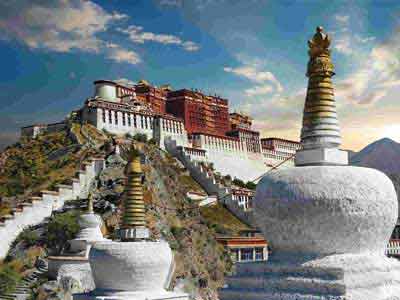
Religion in Bhutan Buddhism is the official religion of Bhutan, and was introduced in the seventh century. Bhutan is the only country that has managed to retain the Bajrayana form of Mahayana Buddhism as its national religion. All of Bhutan is adorned with Buddhist Stupas, which is believed to be a form of protection for tourists and residents.
The southern Bhutanese practice Hinduism. In the year 1980, Kind Wangchuck declared Dussehra as one of the sacred festivals of Hinduism. A number of annual festivals celebrated in Bhutan highlight different events in the life of Buddha.
Food in Bhutan Bhutanese cuisine is known for its spiciness. Almost every dish has chillies as a main ingredient. Rice remains the staple food served with both meat and vegetables. Pork, beef and chicken dishes are cooked in every household. Ema Datshi is believed to be the national dish of Bhutan prepared with a mix of chillis and local cheese. Do not miss Tibetan-style dumplings (momos) which are usually stuffed with pork, beef or cabbages and cheese. Non vegetarians must try Phaksha Paa which is a pork dish cooked with spicy red chillis. Red Rice is highly consumed by the locals here due to its nutritious and filling taste.
South Asia is home to solid one-third of the world’s population. The region is home to the highest and the second highest mountain peaks of the world Everest and K2. Housing marvels such as the Taj Mahal, Ajanta, Sigiriya, Timpu, and Taxila, the heritage and cultures of the region date back thousands of years.
Whether you are interested in a Sight Seeing Tour, Season Special Tour or you are on a look out for a Pilgrimage Tour, these pocket friendly tour packages will make your journey to this majestic land worth remembering.
GET FREE TOUR QUOTES

1. Choose your destination

2. Customize your tour

3. Confirm your booking

4. Live an unforgettable experience!