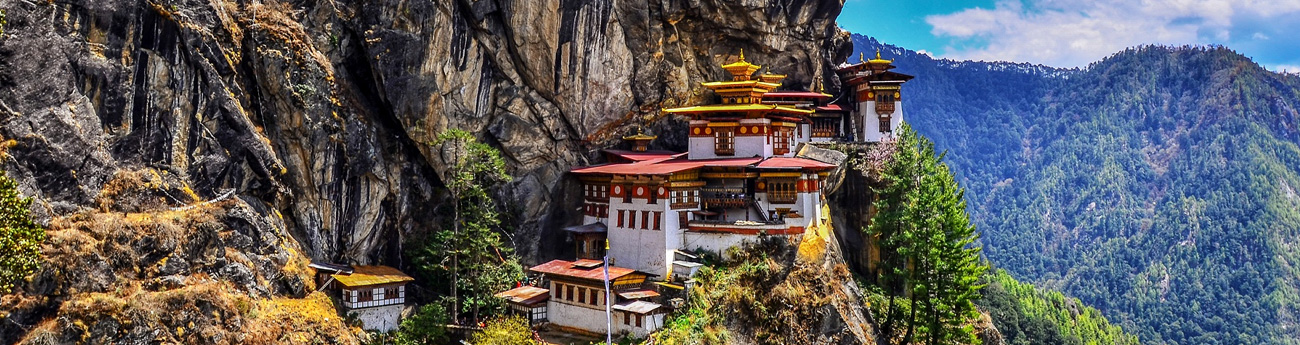
The National Museum of Bhutan is a cultural bliss. Built in the year 1649, the museum’s motive was to safeguard the undefended dzong which was renovated in the year 1968 to accommodate the museum. The structure of the museum is in the shape of a conch shell with 2.5m thick walls. The museum experienced a serious damage in the year 2011 due to earthquake. However, it was reopened in 2016.
One of the most important artifact items preserved by the museum is an egg of a mule. For the Bhutanese, this has been awe-inspiring to have such a precious item preserved in the National Museum as one of the most important national treasures.
Other striking displays in the museum include a remarkable collection of thangkas which are both historic and contemporary. These thangkas depict Bhutan's significant saints and teachers apart from fearsome festival masks. Another striking section of the museum is its natural-history gallery featuring a 3D map of Bhutan. Visitors must also explore the Heritage Gallery which exhibits a horse horn ascribed to Guru Rinpoche. Other exhibits include some finest specimens of Bhutanese art such as masterworks of bronze statues and paintings.
On the ground floor of the museum, near the exit, are a number of large vessels lining the walls as well as items for farm use. The vessels made of copper and bronze were used principally for water storage, or to cook food for large gatherings, and were kept by wealthy families. You have to cross a 4km loop into the Dop Shari Valley to reach the museum.
The museum houses both modern and traditional weapons, including guns, cannons, swords, and bows and arrows. Other weapons of war on display are swords, rifles, knives, helmets, and shields. There is a small collection of woven and basketry items for household use.
Today, the National Museum has in its possession over 3,000 works of Bhutanese art, covering more than 1,500 years of Bhutan's cultural heritage. Its rich holdings of various creative traditions and disciplines, represent a remarkable blend of the past with the present and is a major attraction for local and foreign visitors.
South Asia is home to solid one-third of the world’s population. The region is home to the highest and the second highest mountain peaks of the world Everest and K2. Housing marvels such as the Taj Mahal, Ajanta, Sigiriya, Timpu, and Taxila, the heritage and cultures of the region date back thousands of years.
Whether you are interested in a Sight Seeing Tour, Season Special Tour or you are on a look out for a Pilgrimage Tour, these pocket friendly tour packages will make your journey to this majestic land worth remembering.
GET FREE TOUR QUOTES

1. Choose your destination

2. Customize your tour

3. Confirm your booking

4. Live an unforgettable experience!